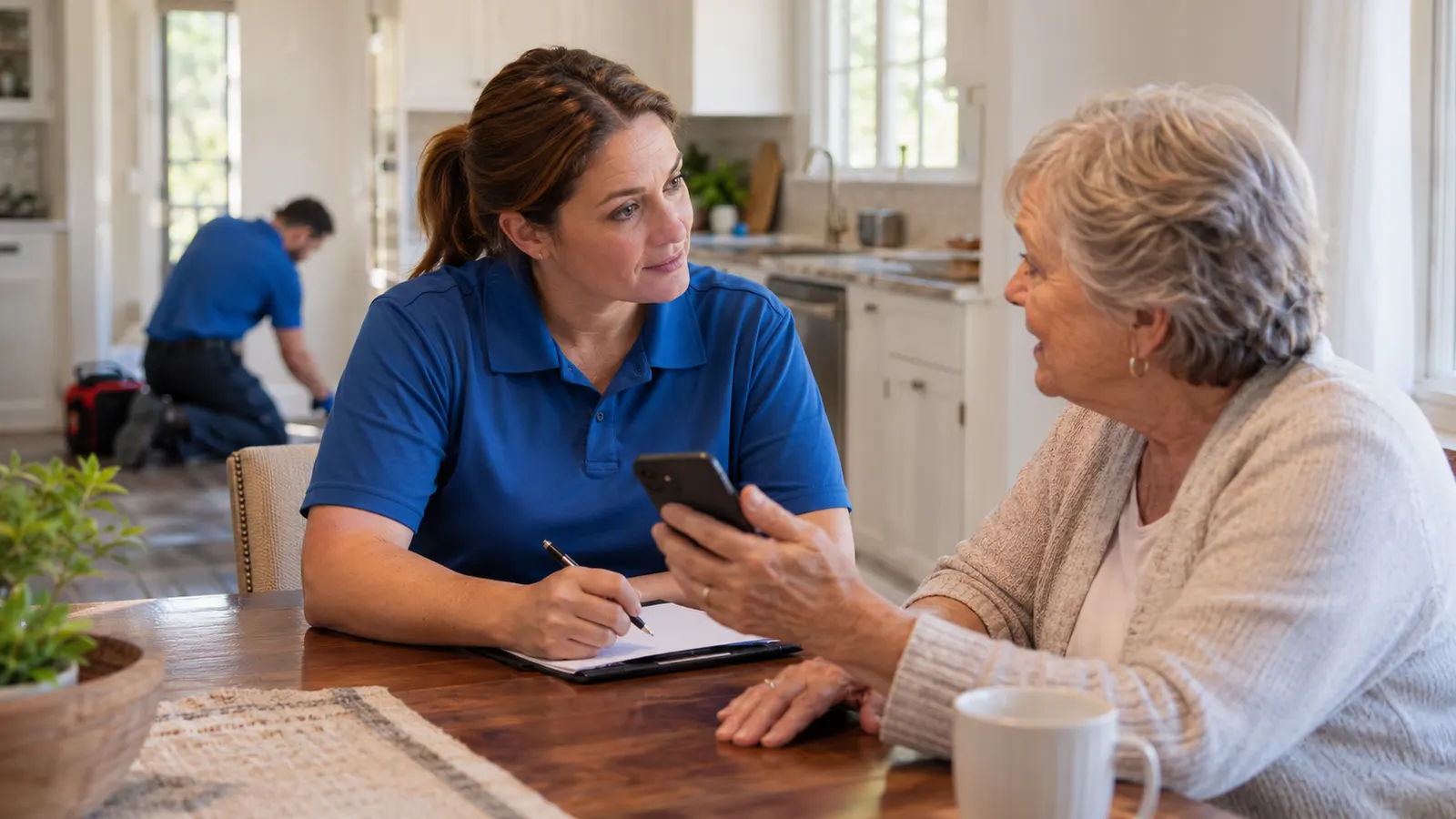
Contaminated Water Requires Controlled Handling
Category 3 describes grossly contaminated water, including sewage. The work area needs separation from occupied or unaffected spaces, and crew protection must suit the exposure. Protective clothing, gloves, eye protection, and appropriate respiratory protection are selected for the job rather than relying on ordinary household cleaning supplies.
We discuss access, the removal route, and the materials present before disturbing the contaminated footprint. A room may contain hidden wet layers as well as visible wastewater. Clothing or tools used in that zone should not carry contamination into adjoining rooms, and cleanup equipment needs handling appropriate to the loss.
- Restrict access to affected rooms and contaminated belongings.
- Identify a controlled route for equipment and material removal.
- Keep contaminated debris separate from items awaiting assessment.
- Address the continuing backup before restoring affected finishes.
What Must Be Discarded and What Needs Assessment
A list cannot decide every item in a room. We assess material construction, the depth of contamination, and whether cleaning can reach all affected surfaces. Photos and item descriptions help record disposal decisions without carrying contaminated contents into a clean room simply to inspect them.
Cleaning Comes Before Sanitizing
Visible sewage and debris must be removed so cleaning can reach the remaining surface. Sanitizer applied over residue does not replace that removal. The crew uses products and methods suited to the surface and follows product directions, including any contact-time requirements relevant to the work.
We do not recommend that occupants mix chemicals or try to disinfect enclosed structures themselves. After cleaning and sanitizing accessible surfaces, the drying plan addresses water left in remaining framing or substrate. A dry surface is not a substitute for contamination removal, and a sanitized surface can still be too wet to enclose.
The CDC advises caution around water that may contain sewage. Our work discussion focuses on controlling access and documenting the affected building materials, rather than making health claims about a room based on appearance or odor.
Sewage Paths in Slab and Pier-and-Beam Homes
Across a slab floor
A backup in a bathroom or utility room can cross under a doorway and reach pad or adjacent wall edges. Tile at the point of overflow does not mean that the loss is confined to a washable surface. We inspect connected flooring and the base of nearby walls where wastewater may have traveled.
Beneath a raised floor
A pier-and-beam home can have contaminated water below the occupied rooms as well as above them. Access, soil conditions, joists, and the underside of the subfloor need assessment. Contaminated material beneath the house must be considered before treating indoor drying as the complete cleanup scope.
Bixby Conditions That Affect the Cleanup Plan
During heavy Oklahoma rain, a property may have more than one water issue at the same time. Tell us whether wastewater came through a fixture or whether outside runoff also entered. The source investigation belongs to the appropriate utility or trade, while the restoration assessment follows the water inside the building.
Humid summer conditions can slow evaporation from remaining materials, particularly around cabinet bases and enclosed cavities. Tight rooms and shared hallways also affect how the crew separates the removal route. The plan needs to account for the actual building layout rather than assuming the backup affected only the room containing the drain.
Recording Removal and Sanitizing Work
We photograph sewage-affected surfaces, record moisture readings where appropriate, and document materials removed for contamination or physical damage. Drying logs track the remaining structure after the cleanup stage. The notes distinguish water removal, cleaning, sanitizing, and drying so an adjuster can understand the sequence.
We work with the adjuster on questions about the observed damage and scope. Your insurer determines coverage and claim approval. Keep any plumber's report on the blockage or source repair with your claim information, because that report and the building-damage record describe separate parts of the event.
Questions About Category 3 Cleanup
Can sewage odor disappearing prove the room is clean?
No. Odor is not a complete measure of contamination or remaining moisture. Cleanup decisions depend on affected materials, access, and the work performed. We record removal and cleaning steps instead of using the disappearance of a smell as the only reason to retain porous finishes.
Should a household vacuum be used on wastewater?
A household vacuum is not an appropriate way to approach a sewage loss. Equipment, handling, and protection need to suit contaminated water, and using unsuitable equipment can spread the problem. Keep the affected area restricted and describe the water source when arranging the cleanup assessment.
Can a contaminated rug be carried outside through clean rooms?
Moving it without a controlled route can spread wastewater or debris. Tell the crew where the item sits and which rooms provide access. We discuss its construction and condition along with how it can be handled, rather than asking you to move contaminated contents through the house.
When does drying begin after a sewage backup?
The order depends on access and the loss, but extraction, removal of unsuitable porous layers, and cleaning must be addressed as part of the plan. Drying equipment is then arranged for the remaining structure. Air movement alone should not be used as a substitute for contamination cleanup.